Say what kind of book you are making, how it will be read and what matters most to you. You get a starting point, drawn from the advice IN TEMPO has published: a trim size, a paper, a binding, a cover. You then send it as a quote request, and you can change anything first.
Paper: White offset paper, 80 or 90 gsm, 90 for more opacity
Why: Technical books, practical guides and even school books are usually printed on white offset paper at 80 or 90 gsm. They often carry illustrations, drawings, diagrams and a second colour, so 90 gsm is better, for more opacity.1
Binding: Perfect bound
Why: It has to be said that, with the progress made in glues, most of the books you will find in a bookshop are perfect bound.1
Cover: Paperback, with flaps if you wish
Why: On the covers of paperbacks, perfect bound or sewn, you can also choose handsome flaps1
An art book, a photo book, a cookbook
Trim size: 22 × 28 or 24 × 30 cm
Why: 22 × 28 cm or 24 × 30 cm for art books and books of photographs.1
Paper: Gloss, silk or matt coated paper, or offset paper
Why: Art books and books of photographs go on gloss, silk or matt coated paper. At IN TEMPO, we love cookbooks and photo books printed on offset paper! Less bright, admittedly, but more on trend.1
Binding: Hardback, square or rounded spine
Why: Hardback binding, with a square or rounded spine, 2.4 mm (24/10) boards or Intégra binding, for dictionaries, art books and so on.1
Why: Hot-melt and PUR glues are very strong, even for daily handling.1
Cover: Paperback, with flaps if you wish
Why: On the covers of paperbacks, perfect bound or sewn, you can also choose handsome flaps1
Kept, handed down
Binding: Sewn binding
Why: Sewing is still the strongest way to bind a paperback, but it costs more, because many printers cannot sew when they print digitally.1
Cover: Paperback, with flaps if you wish
Why: On the covers of paperbacks, perfect bound or sewn, you can also choose handsome flaps1
By what matters most
The feel in the hand
Finishes: Foil stamping, embossing or debossing
Why: A little more complex and more expensive: foil stamping, embossing or debossing.1
Lasting
Binding: Sewn binding
Why: Sewing is still the strongest way to bind a paperback, but it costs more, because many printers cannot sew when they print digitally.1
Cover: Paperback, with flaps if you wish
Why: On the covers of paperbacks, perfect bound or sewn, you can also choose handsome flaps1
The cost per copy
Trim size: A standard trim size
Why: To keep costs down and to be able to approach a large number of printers, stick to the standard sizes.1
Page count: A page count that comes out even in sections
Why: The book is put together section by section, sewn or glued; a page count that does not come out even leaves blank pages at the end, or calls for a section of another size.2
The carbon footprint
Printing: Offset or digital, depending on the print run
Why: Digital printing generally emits less on a short run: offset requires plates and make-ready sheets.3
Interior: full colour both sides - Artic Volume Ice 150 gsm
Endpapers: 2 x 4 pages - full colour both sides - Artic Volume Ice 170 gsm
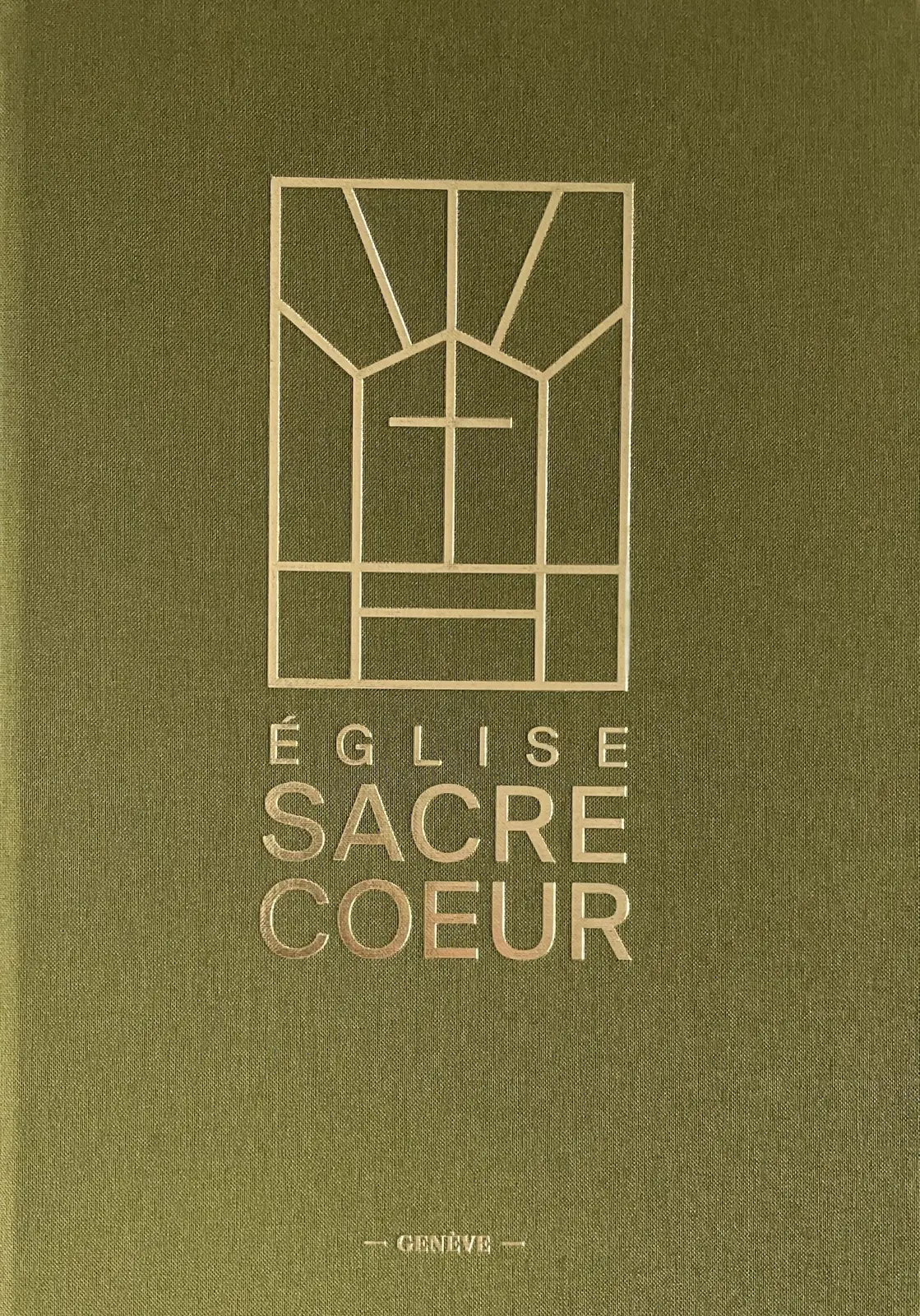
Binding: 24/10 boards, square spine, sewn sections, cased in Brillanta BRI4039 cloth - foil blocking on the front board and the spine, headband at head and tail
Jacket: full colour + matt lamination outside on semi-matt coated paper, 170 gsm
IN TEMPO helps you define your specification precisely and find the right printer.
With your consent, we use Google Analytics to learn which pages are read. Nothing is stored if you decline, and the site works just the same. Our privacy policy

 Exploser tout bas
 Herbier du souvenir
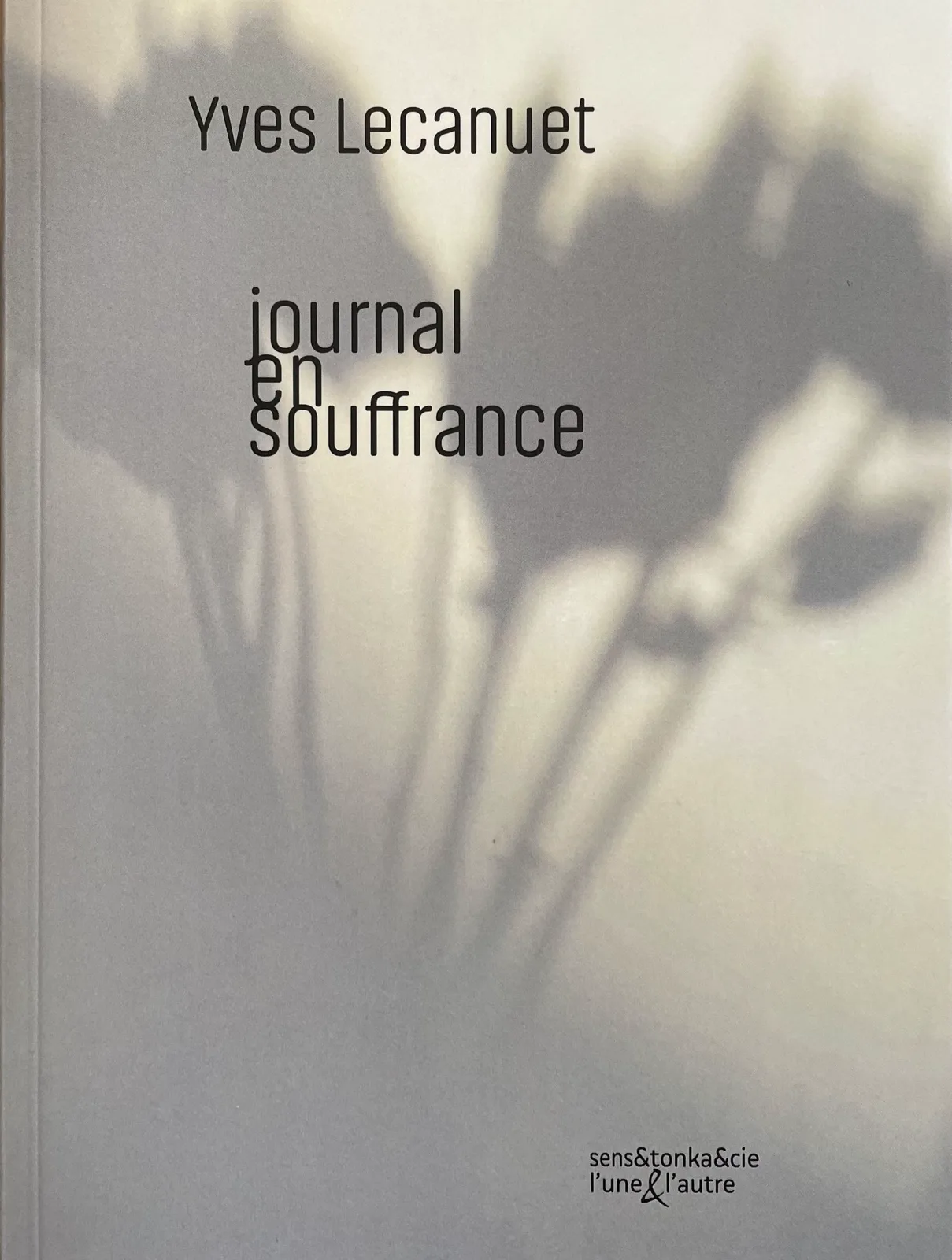 Journal en souffrance
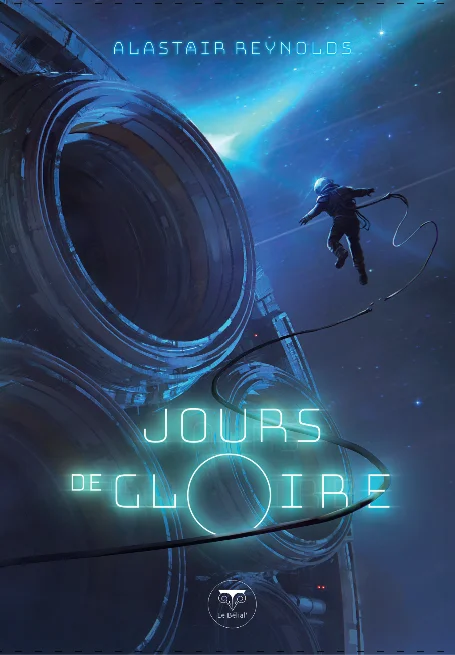 Jours de gloire
 Les Fantômes de Gaza
 Lucioles
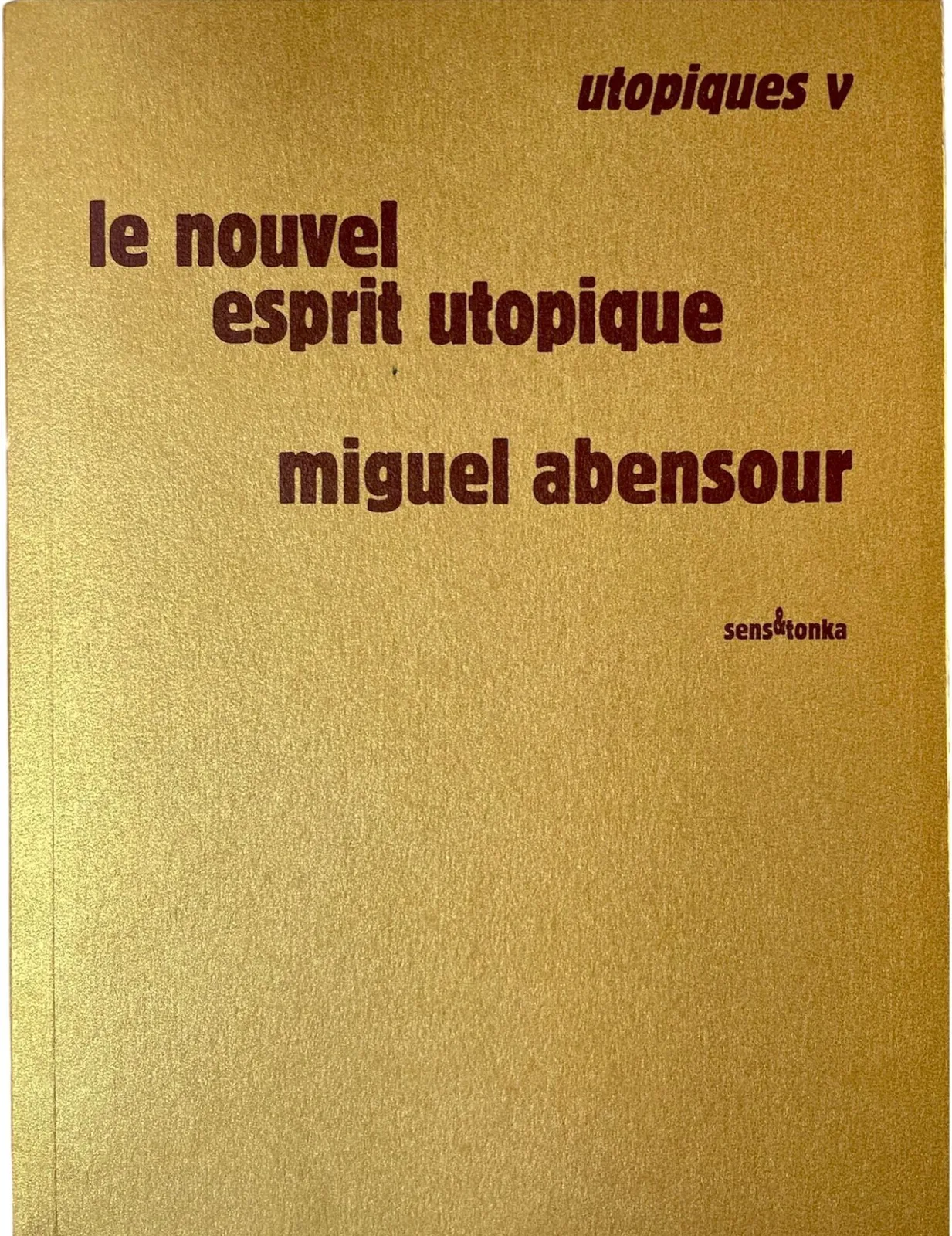 Utopiques V